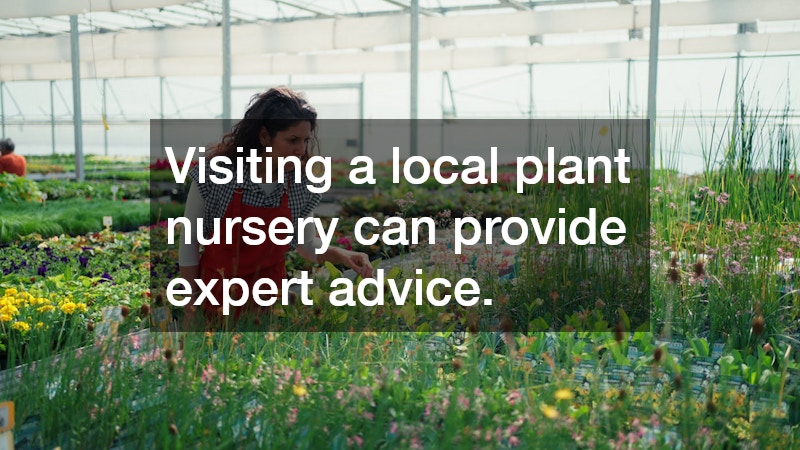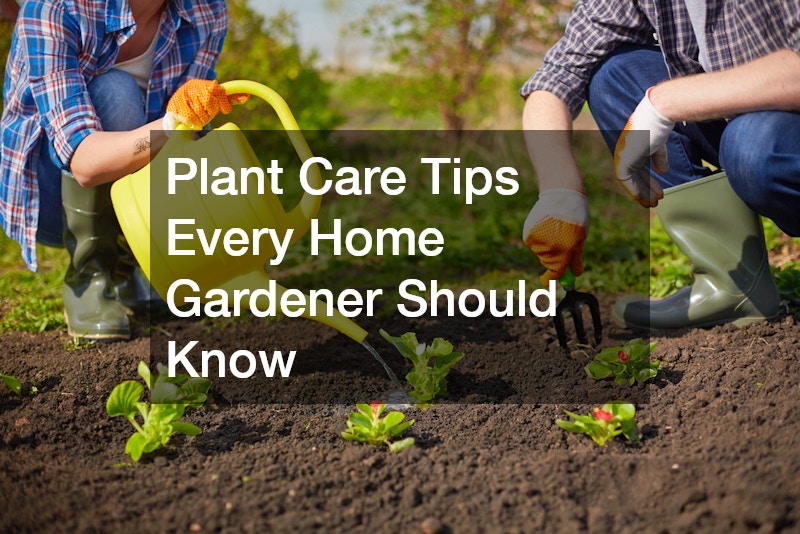
Having a flourishing garden at home brings joy and beauty, but understanding essential plant care techniques is crucial. This guide covers the most frequently asked questions by plant enthusiasts, from watering and lighting to soil management, helping you nurture a healthy, vibrant garden. For additional guidance or to source quality plants, visiting a local plant nursery can provide expert advice and access to a wide variety of species suited to your home environment.
How to Properly Water Your Plants
Watering is one of the most important aspects of plant care, and each species has unique needs based on type, size, and environment. Over-watering can cause root rot, while under-watering leads to wilting and stunted growth.
Regularly monitoring soil moisture helps ensure water reaches the roots without harming the plant. Tools like moisture meters, along with awareness of temperature and humidity, can help you adjust watering routines throughout the year for optimal results.
Effective watering improves growth and prevents common problems. Bottom watering allows water to reach roots directly, while timed irrigation systems provide consistent hydration for multiple plants, conserving water and reducing effort. Manual watering should consider the container type and plant preference—some thrive with gentle daily misting, others with deep, infrequent watering. Observing your plant’s response helps refine techniques for each species.
The best time to water is usually early morning, when cooler temperatures reduce evaporation and allow plants to absorb moisture efficiently. Midday watering risks evaporation and stress, while evening watering can keep soil too damp, encouraging fungal growth. Adjusting schedules based on your climate ensures optimal hydration year-round.
Best Lighting Conditions for Indoor Plants
Light quality and intensity greatly affect indoor plant health. South- and west-facing windows provide the brightest light for sun-loving species, while north- or east-facing rooms suit shade-tolerant plants. Rotating plants periodically ensures even growth, preventing one side from becoming weak or leggy. You can also supplement natural light by placing reflective surfaces, such as mirrors or light-colored walls, near plants to increase brightness without moving them.
When natural light is insufficient, grow lights like LEDs or fluorescents can provide the energy plants need for photosynthesis. Full-spectrum lights are ideal because they mimic natural sunlight, supporting both leafy growth and flowering. Choose the appropriate spectrum and wattage for your specific plant types, and always monitor the distance from the light source to avoid overheating or burning the leaves. Timers can simulate day-night cycles, helping plants maintain consistent growth patterns, especially during shorter winter days.
Plants may need time to adjust to new lighting conditions. Abrupt changes can stress them, leading to yellowing leaves, leaf drop, or slowed growth. Gradually increase or decrease light exposure over several days, and observe their responses carefully. If leaves stretch or lean toward the light, consider repositioning or adjusting the intensity. Proper attention to light management ensures your indoor plants remain healthy, vibrant, and resilient.
Choosing the Right Soil
Healthy soil is the foundation of thriving plants. Sandy soil drains quickly but dries out fast; clay retains water but risks root rot; loamy soil offers a balance, making it ideal for most plants. Testing soil pH helps match plant types to the environment and ensures nutrients are available in the right form. Many plants prefer slightly acidic to neutral soil, while others thrive in alkaline conditions, so understanding your soil’s chemistry is key to success.
Enhance soil by adding compost or organic matter to improve nutrients, moisture retention, and aeration. Well-decomposed compost introduces beneficial microorganisms that support healthy root systems and protect against disease. Fertilizers supply essential nutrients like nitrogen, phosphorus, and potassium, but should be applied according to your plants’ specific needs to avoid over-fertilization. Mulching conserves moisture, suppresses weeds, moderates soil temperature, and gradually enriches soil as it decomposes, creating a more sustainable growing environment. Organic mulches, like shredded leaves or bark, are especially effective for long-term soil health.
Avoid soil compaction, which limits airflow, water infiltration, and root growth, by aerating regularly or using raised beds for heavy foot traffic areas. Watch for nutrient deficiencies, such as yellowing leaves, poor flowering, or stunted growth, and correct them promptly with appropriate soil amendments. Regularly monitoring and maintaining soil health not only strengthens your plants but also builds a resilient garden ecosystem that thrives season after season. For plant-specific soil mixes or amendments, your local plant nursery can provide tailored solutions and expert advice. Proper soil care is the key to long-term plant vitality and success.
Caring for your plants effectively requires knowledge and attentiveness to their needs. By mastering watering, lighting, and soil care, home gardeners can cultivate a healthy, vibrant garden. With patience and observation, anyone can grow a thriving green space and continue developing their gardening skills.