

Bringing a new animal into the home marks the beginning of a profound emotional journey. Whether an individual adopts a playful mixed-breed puppy from a local shelter or selects a specific pedigree kitten from a preservation breeder, the initial days require careful environmental adjustment. For instance, families who decide to welcome a large and exceptionally fluffy Maine coon kitten must prepare their living space for a cat that will eventually grow to a substantial size, requiring sturdy scratching posts and vertical spaces that can support significant weight. Similarly, bringing home a young canine requires an immediate commitment to establishing consistent household boundaries. Implementing early dog training protocols ensures that the young animal learns where to sleep, how to walk politely on a leash, and which items are acceptable to chew. This foundational phase is not merely about preventing bad habits; it is about building a reliable system of communication between the human and the animal. Owners should secure loose electrical cords, store toxic houseplants out of reach, and establish a quiet, dedicated zone where the new arrival can retreat when overwhelmed by the sights and sounds of a new environment. Setting up this predictable environment early on helps minimize stress, which in turn reduces the likelihood of behavioral issues or stress-induced illnesses during the first few critical weeks of transition. Additionally, a systematic approach to introducing the new family member to existing pets prevents territorial disputes and fosters long-term domestic harmony. By taking these deliberate, patient steps during the first month, pet owners establish a secure base that supports the animal’s psychological development.
Establishing Initial Healthcare and Preventive Baselines
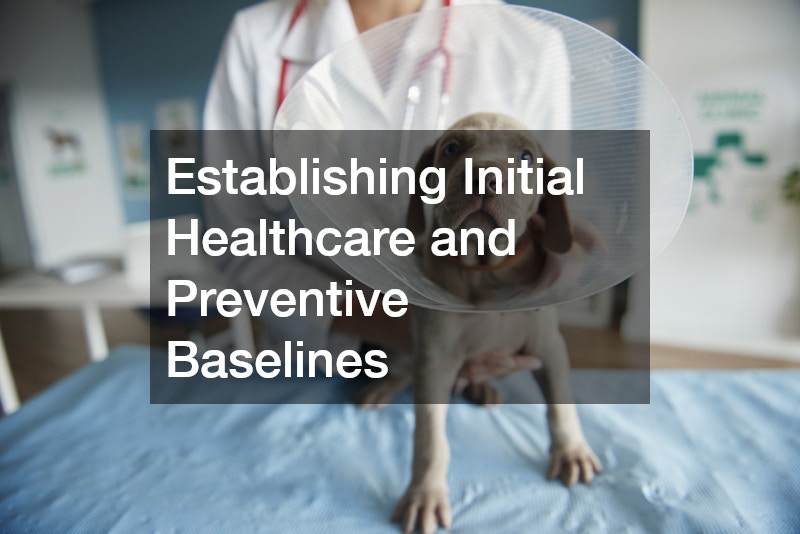
Once the new pet has settled into the household, establishing a medical baseline becomes the next priority. Navigating the wide variety of neighborhood vet clinics allows owners to find a facility that matches their philosophy of care and communication preferences. During the initial consultation, professional veterinarians will perform a comprehensive physical assessment, checking the animal’s eyes, ears, joints, and internal organs for any underlying abnormalities or congenital issues. This visit serves as the launchpad for a lifetime preventative schedule, including core vaccines that shield the animal against highly contagious diseases such as parvo, distemper, and rabies. Additionally, this is the time to discuss robust parasite control strategies, as fleas, ticks, and intestinal worms can compromise a growing animal’s immune system. Developing a transparent, communicative relationship with the medical team at this stage ensures that future health shifts can be detected early through routine blood work and regular physical exams. Owners are encouraged to ask questions about nutrition, appropriate growth rates, and the optimal timing for spaying or neutering. These early conversations demystify medical processes and help the pet owner feel empowered to make informed choices. Keeping meticulous records of these early visits, including vaccination dates and weight metrics, creates a valuable medical history that will guide clinical decisions throughout the animal’s life, ensuring no detail is overlooked as they grow. Ultimately, a proactive approach to early medical intervention builds a strong physiological foundation, giving the animal the best possible start and preventing avoidable illnesses from derailing their youthful vitality.
Nurturing Mental Wellness and Social Growth

As animals transition from their initial youth into adolescence, their mental stimulation and socialization needs expand dramatically. Dogs, in particular, require regular opportunities to interact with peers and unfamiliar humans to prevent the development of fear-based aggression or separation anxiety. For working professionals or families with demanding schedules, enrolling a high-energy canine in a structured doggy daycare program can be an excellent way to fulfill these developmental requirements. These environments provide a safe, monitored outlet for physical exercise, ensuring that dogs return home calm and mentally satisfied. However, successful socialization involves more than just free play; it requires exposure to diverse sounds, textures, and environments. Cats also benefit from structured enrichment during this phase, though their social needs look quite different from those of dogs. Providing indoor felines with puzzle feeders, interactive toys, and window perches keeps their predatory instincts engaged and prevents boredom-related behaviors like scratching furniture or excessive vocalization. For both species, adolescence is a period of boundary-testing and intense curiosity. Consistent reinforcement of positive behaviors during this time helps solidify the bond between the pet and the family. By prioritizing mental enrichment alongside physical health, owners protect their companions from chronic stress, paving the way for a well-adjusted, confident adult animal that can navigate changing environments with minimal anxiety. This careful balance of physical activity and cognitive engagement ensures that the pet’s mind remains sharp and resilient, reducing the risk of behavioral regressions during the transition into full adulthood.
The Core Pillars of Adult Pet Health Maintenance
During the adult years, which generally span from ages two to seven, the focus of pet care shifts toward maintaining peak physical condition and preventing chronic degenerative issues. One often overlooked aspect of adult maintenance is oral hygiene, which plays a massive role in systemic wellness. Scheduling a professional dog teeth cleaning is vital for preventing the accumulation of plaque and tartar, which can otherwise cause severe periodontal disease and allow harmful bacteria to enter the bloodstream, potentially damaging the heart, kidneys, and liver. For comprehensive procedures that require general anesthesia, advanced diagnostics, or specialized surgical interventions, taking a pet to a fully equipped animal hospital guarantees access to state-of-the-art monitoring equipment and dedicated medical teams. Beyond dental health, adult pet maintenance requires strict attention to nutritional balance and weight control. Obesity remains one of the most common, yet entirely preventable, health crises in domestic animals, drastically increasing the risk of diabetes, joint degradation, and cardiovascular strain. Regular exercise tailored to the animal’s specific breed and energy level helps preserve lean muscle mass and support metabolic health. Annual wellness examinations during this stage should include comprehensive screening panels, such as urinalysis and baseline blood chemistry profiles. These tests allow clinicians to monitor internal organ function over time, establishing an individual baseline that makes subtle deviations easier to spot before external clinical symptoms manifest. By remaining vigilant and maintaining a disciplined wellness routine during these prime years, owners can successfully delay the onset of age-related diseases.
Recognizing and Responding to Non-Life-Threatening Illnesses
Even with the most meticulous preventative care, adult pets will occasionally experience minor illnesses or mild physical injuries that disrupt their daily routines. Symptoms like a sudden ear infection, a minor paw pad laceration from an outdoor walk, or a mild bout of gastrointestinal distress require prompt medical attention but do not necessarily warrant the resources of a critical care center. In these situations, utilizing an urgent veterinary care clinic provides an ideal solution, offering walk-in availability and extended hours without the steep costs or extended wait times associated with major medical trauma facilities. These clinics are perfectly equipped to handle non-life-threatening issues, perform quick diagnostic testing, and prescribe appropriate medications to alleviate discomfort. Knowing how to assess an animal’s symptoms at home helps pet parents make calm, rational decisions about where to seek help. Triage involves looking at the animal’s overall demeanor, hydration levels, and gum color. If a pet is alert and responsive but experiencing localized discomfort, a walk-in clinic is usually the most efficient choice. Establishing a relationship with a reliable outpatient clinic before an issue arises saves valuable time and reduces panic when medical setbacks inevitably occur. In addition, resolving these minor issues quickly prevents them from escalating into systemic infections or more severe, prolonged conditions. Teaching family members how to recognize early signs of lethargy, changes in water consumption, or subtle shifts in gait ensures that mild issues are caught and treated long before they compromise the animal’s long-term comfort or overall quality of life.
Triage and Protocols for Acute Medical Crises
While minor ailments can be managed through outpatient clinics, true medical crises demand an entirely different level of preparedness and immediate, decisive action. Severe trauma from vehicular accidents, toxic ingestions, sudden respiratory distress, or conditions like gastric dilatation-volvulus require the immediate intervention of an emergency vet who is trained to stabilize patients in critical condition. In these high-stress moments, having a pre-established emergency plan can save a pet’s life. Every household should have the contact information and physical address of the nearest 24-hour trauma facility prominently displayed and saved in their mobile phones. It is highly recommended to call the facility while en route, allowing the clinical staff to prepare the necessary triage equipment, oxygen cages, or surgical suites before the vehicle arrives. Understanding basic pet first aid, such as how to safely restrain an injured animal to prevent bites, apply pressure to a bleeding wound, or perform basic cardiopulmonary resuscitation, empowers owners to provide vital bridge care during transport. These critical situations test a pet parent’s resilience, but maintaining a calm demeanor helps keep the animal’s heart rate down and allows for clearer communication with the veterinary trauma team. Once the animal is stabilized, the intensive care team will utilize advanced diagnostics, continuous vital sign monitoring, and targeted therapies to guide the pet through the acute phase of recovery. Investing time in understanding emergency protocols guarantees that if the worst should happen, action replaces hesitation, giving the beloved companion the highest possible chance of survival.
The Gentle Shift into the Senior and Geriatric Years
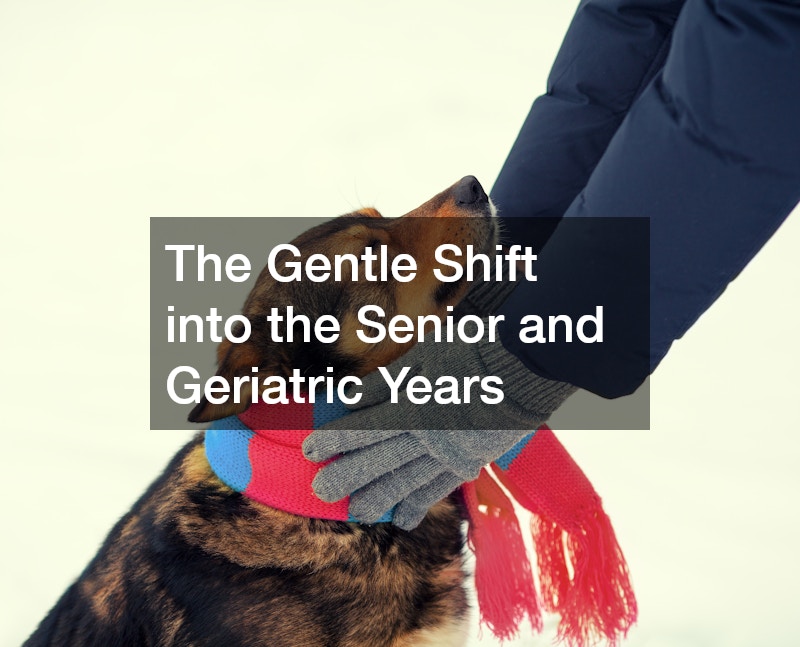
As pets cross the threshold into their senior years, their physical and cognitive needs undergo another significant transformation, requiring a softer, more adaptive approach to daily management. Owners will begin to notice subtle changes, such as a graying muzzle, a reluctance to jump onto elevated surfaces, or longer periods of deep sleep. Managing senior pet comfort involves modifying the home environment to accommodate decreased mobility and lessened sensory acuity. Installing non-slip rugs over hardwood floors, providing orthopedic bedding to cushion arthritic joints, and placing ramps next to favorite couches can drastically improve a senior animal’s daily quality of life. Nutrition must also be calibrated to account for a slowing metabolism and changing organ capabilities, often requiring diets with higher digestibility and targeted joint supplements like glucosamine and chondroitin. Cognitive decline is another aspect of aging that demands patience and understanding, as senior animals may occasionally experience confusion, altered sleep cycles, or mild disorientation. Regular, low-impact exercise remains essential for preserving joint mobility and mental sharpness, but activities should be scaled back to match the animal’s current stamina levels. Semi-annual veterinary checkups become standard during this phase, focusing heavily on monitoring kidney function, blood pressure, and cardiac health to catch degenerative changes early. By creating a predictable environment and focusing on palliative comfort, parents ensure their companions feel safe and completely comfortable as their physical pace winds down.
Navigating End of Life Planning and Compassionate Farewells
The final stage of the pet parenting journey is undeniably the most emotionally challenging, requiring owners to balance their deep affection for their companion with a selfless commitment to preventing unnecessary suffering. Assessing an aging or terminally ill pet’s quality of life involves objective observation of their daily comfort, appetite, mobility, and ability to engage in activities they once loved. When the time comes to make the painful decision regarding euthanasia, open communication with the veterinary team helps ensure the process is peaceful, dignified, and entirely free of pain. Many families choose to handle this quiet farewell in the comfort of their own home, surrounded by familiar scents and loved ones. Following the passing of a cherished animal, deciding on appropriate aftercare options provides a sense of closure and helps initiate the grieving process. Choosing a reputable pet cremation provider allows families to receive their companion’s ashes back in a personalized memorial urn, creating a permanent, physical reminder of the unconditional love shared over the years. Grief after losing a pet is profound and entirely valid, and reaching out to specialized support groups or counseling services can provide comfort during the healing process. Ultimately, navigating this final transition with grace and selflessness is the ultimate act of love, completing a beautiful lifecycle marked by unwavering devotion, shared joy, and mutual companionship. Honoring the legacy of a departed friend allows the profound bond developed across a lifetime to endure, offering comfort to those left behind.