
Every neighborhood has that one restaurant everyone keeps going back to, even when newer, flashier places open up down the street. If you have ever wondered what makes people stay loyal to a certain spot for years, the answer has less to do with trends and more to do with trust, consistency, and feeling known. Understanding why these places win customer loyalty can actually help you make smarter choices as a consumer, whether you are picking a place to eat, a service provider, or a business to support regularly. This article breaks down the real reasons local favorites earn repeat visits, and what those lessons mean for your own decisions.
Consistency Builds Trust Over Time
People return to the same restaurant week after week because they know exactly what they are going to get. The dish that impressed them on their first visit tastes the same on their twentieth, and that predictability removes the anxiety of trying something new every time. This kind of reliability is rare, and when consumers find it, they hold onto it tightly.
This pattern applies far beyond food. When a business delivers the same quality every single time, customers stop shopping around because the guesswork is gone. That reduction in mental effort is a huge reason loyalty forms in the first place.
- Consistent portion sizes and recipes build confidence in repeat visits
- Reliable hours and availability reduce customer frustration
- Predictable pricing helps people plan and return without hesitation
- Staff familiarity with regulars adds a personal touch that keeps people coming back
Personal Connection Makes People Feel Valued

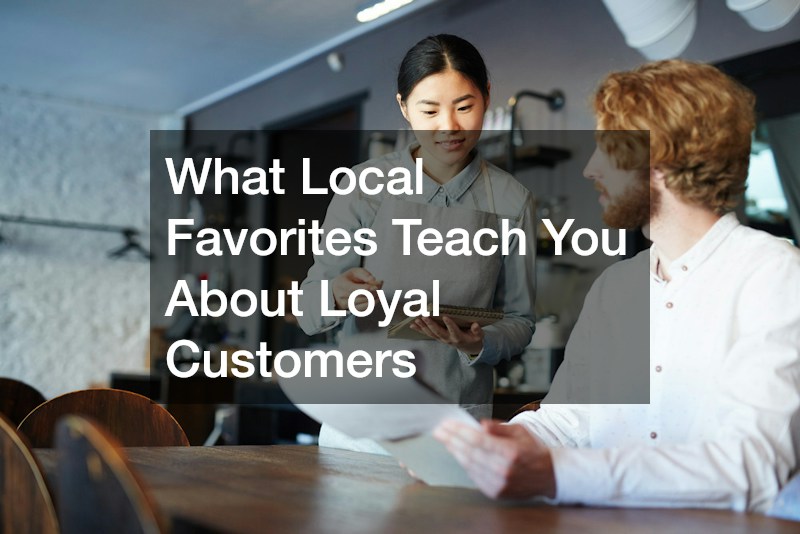
One of the biggest reasons local spots outlast bigger competitors is the relationship between staff and customers. When a server remembers your name or your usual order, it signals that you are more than just a transaction. That feeling of being recognized is something large chains struggle to replicate, and it is a major driver of repeat business. This kind of personal connection shows up in small but meaningful ways. A host who asks about your kids by name, a bartender who starts pouring your drink before you reach the counter, or a owner who checks in on a family member who was sick last week — these moments cost nothing but attention, yet they build loyalty that discounts and rewards programs rarely match. The effect is measurable, too. Studies on customer retention consistently show that acquiring a new customer can cost five to seven times more than keeping an existing one, and personal recognition is one of the cheapest ways to keep people coming back. Families especially respond to this, since they are often choosing a place that will become part of their routine for years, not just a one-time stop. Chains try to engineer this feeling through loyalty apps, birthday emails, and scripted small talk, but it tends to feel hollow because it is standardized rather than genuine. Local favorites succeed because the recognition is real: the staff actually remembers, and the warmth is not manufactured. That authenticity is hard to fake and even harder for a large competitor to scale.
This personal touch often starts small, like a host greeting regulars by name or a server remembering that someone’s kid just started college. On its own, each gesture seems minor. But it compounds over time into genuine loyalty, the same way a neighbor who waves every morning eventually becomes someone you’d actually call for help. Customers begin to feel a sense of belonging, almost like they are part of an extended community rather than just paying patrons. They notice when the same team is behind the counter week after week, and they notice when someone remembers their usual order without asking. That recognition signals that they matter beyond the transaction in front of them. This matters just as much in a family and home context, where trust and familiarity often decide where people spend their money. A local furniture shop owner who remembers a customer’s living room layout, or a home repair crew that recalls a family’s old plumbing quirks, builds the same kind of loyalty a favorite diner does. The setting changes, but the underlying lesson stays the same: people return to places that make them feel known.
- Remembering names and preferences builds emotional connection, turning a transaction into a relationship the customer wants to repeat
- Small personalized gestures—a favorite drink started before you order, a kid’s high chair already waiting—create outsized goodwill relative to their actual cost
- Consistent staff who stick around help maintain these relationships, since familiarity takes repeated visits to build and vanishes with high turnover
- Genuine conversation, not scripted service, feels more authentic to customers and signals the staff actually sees them as people, not just orders
- Noticing life changes, like a new baby or a recent move, and asking about them shows attentiveness that generic customer service scripts can’t replicate
- Even imperfect personal touches, like misremembering a small detail but trying anyway, often land better with customers than flawless but impersonal service
Word of Mouth Carries More Weight Than Advertising
Local favorites rarely rely on big advertising budgets, because their customers do the marketing for them. A recommendation from a friend or family member carries far more credibility than any online ad, since it comes without a sales motive attached. This is part of why some of the best restaurants in a town are often hidden gems that newcomers only discover through word of mouth rather than flashy promotion.
This kind of organic buzz also tends to be more honest, since people only recommend places they genuinely believe in. When someone hears about a spot from multiple trusted sources, their willingness to try it increases dramatically, and that trust often converts into long term loyalty once they experience it themselves.
- Personal recommendations build instant credibility
- Repeated mentions from different people increase trust faster than ads
- Online reviews often echo what locals already know firsthand
- Loyal customers naturally become brand ambassadors without being asked
Quality Control Keeps Customers From Looking Elsewhere

A single bad experience can undo years of goodwill, which is why quality control matters so much to businesses that want to retain customers. Local favorites tend to sweat the small details, from how food is plated to how quickly a table is cleared, because they understand that consistency is fragile. Customers notice slips immediately, even small ones, and repeated issues will eventually send them searching for alternatives.
Maintaining quality also means listening to feedback and adjusting quickly rather than becoming defensive. Businesses that treat complaints as useful information, instead of threats, tend to keep their best customers instead of losing them to competitors.
- Regular quality checks prevent small issues from becoming patterns
- Fast correction of mistakes shows customers they are valued
- Listening to feedback helps identify problems before they spread
- Staff training keeps standards consistent even during busy periods
Community Involvement Strengthens Long Term Loyalty
Many long standing local businesses earn loyalty by showing up for the community outside of regular transactions. Sponsoring a youth sports team, donating to a school fundraiser, or simply being present at local events builds goodwill that outlasts any single meal or purchase. Customers notice when a business cares about more than just profit, and that perception strengthens their emotional attachment.
This kind of involvement also creates a sense of shared identity between the business and the neighborhood it serves. People like supporting businesses that feel like genuine extensions of their community rather than distant, impersonal operations.
- Local sponsorships build visibility and goodwill simultaneously
- Charitable involvement signals shared values with customers
- Hosting community events deepens emotional connection
- Supporting local causes often gets reciprocated through customer loyalty
The lessons behind loyal customers are rarely about flashy marketing or constant discounts, they are about consistency, genuine connection, and showing up reliably over time. As you evaluate businesses in your own life, look for these same signals of trustworthiness and care before committing your time and money. Paying attention to how a business treats its regulars can tell you more than any advertisement ever could. Use these insights to make more confident, informed choices the next time you are deciding where to spend your loyalty.