Local urgent care facilities play a crucial role in providing immediate medical attention for non-life-threatening conditions. These centers fill the gap between emergency rooms (ER) and primary care, offering an accessible healthcare option for various minor injuries and illnesses. As the demand for more flexible healthcare solutions grows, urgent care centers are becoming essential to communities.
With extended hours and a convenient approach, they offer an alternative to the often-overwhelmed ER departments. This article aims to explore the role and benefits of local urgent care facilities in the health system landscape.
What Is Local Urgent Care?
Definition and Purpose
Local urgent care centers are healthcare facilities designed to provide medical services for non-emergent conditions that still require prompt attention. They aim to deliver quick and affordable care, offering patients an efficient solution for acute ailments. Unlike primary care doctors that may require appointments days or weeks in advance, urgent care centers offer walk-in services to address immediate health concerns. Their purpose lies in reducing the strain on emergency rooms, helping patients get the care they need faster. Urgent care centers are integral in providing a complementary option in modern healthcare delivery.
Difference from Emergency Rooms and Primary Care
Urgent care centers, emergency rooms, and primary care practices serve distinct roles within the healthcare system. While ERs are equipped for life-threatening emergencies, urgent care facilities are meant for less critical conditions. ER visits can often result in lengthy wait times and expensive bills, making urgent care a more convenient option for many. In contrast, primary care focuses on preventative care, long-term management of chronic conditions, and comprehensive health monitoring. Understanding these differences allows patients to make informed choices about where to seek care, based on the severity and nature of their condition.
When Should You Visit an Urgent Care Facility?
Common Ailments Addressed
Urgent care facilities effectively treat a wide range of non-life-threatening medical conditions and minor injuries. Common ailments addressed include respiratory infections, mild asthma attacks, and allergic reactions. Patients can also receive care for minor cuts, burns, or fractures, which are conditions that might not require the extensive resources of an ER. These centers can also handle stomach ailments, urinary tract infections, and common cold symptoms. By catering to such a variety of issues, local urgent care centers provide a critical service that keeps the community healthy and informed.
Deciding Between Urgent Care and ER
Deciding between urgent care and the emergency room depends largely on the severity of the health issue at hand. Generally, if a condition is life-threatening, such as a heart attack or severe wound, ER visits are essential. However, for less critical issues like sprains, minor fractures, or nuisances such as persistent coughs, urgent care offers a viable solution. It’s crucial for patients to accurately assess their symptoms and seek the appropriate level of care to ensure timely and effective treatment. Additionally, avoiding unnecessary ER visits can also ease the financial burden of healthcare expenses.
Services Available at Urgent Care Centers
Diagnostics and Treatments
Urgent care centers are well-equipped to perform various diagnostic tests and treatments. Basic diagnostic services like x-rays, blood tests, and ECGs are often available on-site, streamlining the diagnosis process. Treatment options at urgent care facilities are wide-ranging, covering minor surgical procedures, infections, and wound care. Many centers also provide vaccinations, physical exams, and screenings for common conditions. This comprehensive array of services makes urgent care a versatile option for individuals seeking prompt and efficient healthcare.
Insurance and Payment Options
When visiting local urgent care centers, understanding insurance and payment options can alleviate financial stress. Most urgent care facilities accept major insurance providers and also offer upfront pricing for those without coverage. This transparency helps patients anticipate their medical expenses more accurately compared to ER visits, which may come with hidden or unexpected charges. For uninsured patients, payment plans or discounts may be offered at some centers, ensuring access to care remains as equitable as possible. Patients are encouraged to communicate with center staff about available financial resources and coverage.
Finding the Right Urgent Care Facility
Location and Accessibility
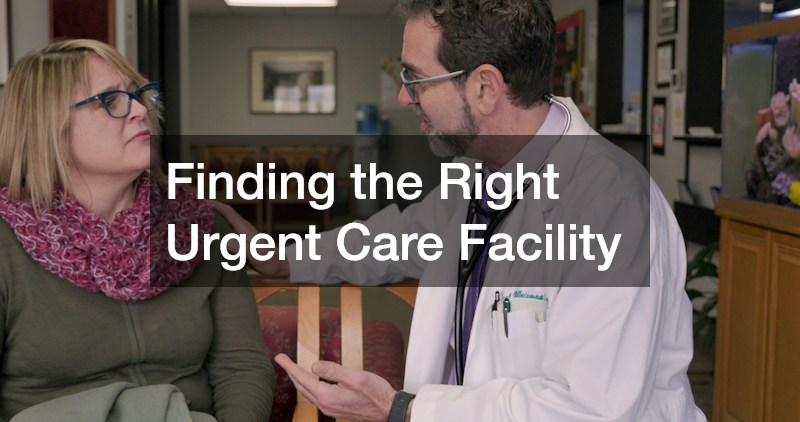
The convenience and accessibility of an urgent care facility significantly impact patient satisfaction and outcomes. Easy-to-reach locations, especially in populated areas, ensure that patients can receive timely care without excessive travel. Additionally, urgent care centers typically offer extended hours, including evenings and weekends, to accommodate the busy schedules of patients. For those who might rely on public transportation, proximity to transit routes can enhance accessibility. It’s important for individuals to research local urgent care options and find centers that best meet their logistical needs.
Choosing Based on Quality and Reviews
Evaluating urgent care centers based on quality and patient reviews is an important step in ensuring a positive healthcare experience. Quality of care can often be assessed through online reviews and patient testimonials, offering insights into the strengths and weaknesses of a facility. Accreditation by medical boards and certifications from recognized organizations can also be indicators of high standards. The quality and demeanor of staff, cleanliness of the facility, and efficiency of care are additional factors to consider. By reviewing these aspects, patients can make more informed decisions when choosing which facility to visit.
Benefits of Using Local Urgent Care Services
Time and Cost Efficiency
One of the primary advantages of using local urgent care services is their efficiency in terms of time and cost. Patients often experience shorter wait times compared to emergency rooms, allowing for expedited medical attention. Additionally, the overall cost of care in urgent care centers may be lower, providing an affordable alternative to more costly ER visits. These facilities typically offer transparent pricing models which can reduce the stress associated with unexpected medical bills. As a result, urgent care provides a reliable, affordable healthcare solution for individuals without life-threatening conditions.