

Homeownership extends beyond property lines. While personal comfort and resale value often drive renovation decisions, many upgrades have a broader influence that reaches neighbors, visitors, and the overall character of a community. Streetscapes, shared sightlines, noise levels, safety, and environmental impact are all shaped by the choices individual homeowners make. When upgrades are thoughtfully planned, they contribute to cleaner, safer, and more cohesive neighborhoods.
The most effective projects balance personal benefit with collective impact. Improvements that enhance appearance, reduce disruption, improve safety, or support infrastructure can elevate how an entire area is perceived. Over time, these changes foster pride of ownership and encourage others to invest in their properties as well. This ripple effect is what makes certain upgrades stand out as true home improvements that add community value.
Neighborhood appeal is not defined by extravagance. Consistency, upkeep, and functionality matter far more than luxury finishes. A well-maintained exterior, efficient systems, and responsible property management send signals of stability and care. These signals influence everything from property values to how welcoming a neighborhood feels to new residents.

Improving Infrastructure Reliability Through Preventive Upgrades
Neighborhoods function best when basic systems operate smoothly and without disruption. Plumbing, drainage, and utility infrastructure are often overlooked until a failure creates inconvenience for multiple households. Preventive upgrades that address hidden issues before they escalate play a significant role in preserving community stability.
One of the most impactful steps homeowners can take is investing in a leak detection service before visible damage occurs. Undetected leaks can lead to water pooling, sidewalk damage, and erosion that affects adjacent properties. In closely spaced neighborhoods, excess moisture can migrate underground, impacting foundations or shared drainage paths. Addressing these problems early reduces the risk of emergency repairs that disrupt daily life for surrounding residents.
Similarly, aging plumbing systems can cause sudden failures that affect street access, shared utility lines, or neighboring structures. Upgrading pipes, valves, and shutoff systems improves reliability while minimizing the likelihood of disruptive emergency work. When homes proactively maintain their systems, neighborhoods experience fewer service interruptions and less strain on municipal infrastructure. These types of improvements often go unnoticed when done correctly, which is precisely their value. Quietly functioning systems contribute to smoother daily routines and reduce the frequency of visible repairs or construction noise. Over time, this consistency reinforces the perception of a well-maintained neighborhood.
Preventive infrastructure upgrades also support long-term sustainability. Reduced water loss, lower risk of contamination, and fewer emergency service calls benefit both homeowners and local utilities. When multiple properties adopt this mindset, the cumulative effect strengthens the entire community. By focusing on reliability rather than reaction, homeowners contribute to home improvements that add community value in ways that are practical, lasting, and widely beneficial.
Maintaining Clean Shared Spaces and Visual Order
Cleanliness plays a powerful role in how neighborhoods are perceived. Overflowing bins, construction debris, and inconsistent waste management quickly detract from curb appeal and create frustration among residents. Homeowners who prioritize responsible disposal practices help maintain order and visual harmony throughout the community.
During renovations, landscaping projects, or seasonal cleanouts, coordinating local trash removal ensures that waste is handled efficiently and discreetly. Proper removal prevents debris from spilling into streets, blocking sidewalks, or attracting pests. It also reduces the likelihood of complaints or fines that can strain neighborly relationships.
Consistent waste management extends beyond large projects. Maintaining clean collection areas, repairing damaged enclosures, and adhering to pickup schedules all contribute to a more organized environment. When each property takes responsibility for its waste footprint, shared spaces remain functional and pleasant. Neighborhoods with visible cleanliness tend to experience stronger engagement from residents. People are more likely to walk, socialize, and take pride in their surroundings when public areas feel cared for. This sense of stewardship encourages ongoing upkeep and discourages neglect.
Clean spaces also support safety. Clear sidewalks improve accessibility, while unobstructed streets allow emergency vehicles to move efficiently. These practical benefits reinforce why cleanliness is more than an aesthetic concern. By managing waste thoughtfully, homeowners contribute to home improvements that add community value by supporting order, safety, and collective pride.
Enhancing Comfort and Cohesion Through Exterior Shading
Outdoor spaces often serve as informal gathering points, whether through backyard conversations, front porch seating, or shared fence-line interactions. When these spaces are comfortable and visually consistent, they enhance neighborhood cohesion rather than detract from it.
Installing modern shading solutions through motorized shade services allows homeowners to manage sunlight, privacy, and temperature without creating visual clutter. Clean lines and adjustable designs reduce glare and heat while maintaining a polished exterior appearance. Unlike temporary coverings, integrated shading systems align with architectural features and neighborhood aesthetics.
These upgrades also support energy efficiency by reducing interior heat gain. Homes that rely less on air conditioning during peak hours contribute to lower overall energy demand, which benefits shared utilities and reduces neighborhood strain during extreme weather.
From a community perspective, well-designed shading minimizes harsh reflections and excessive brightness that can disturb nearby homes. It also supports consistent design language along streets and property lines, creating a more cohesive visual experience.
Comfortable outdoor areas encourage positive interactions. Residents are more likely to spend time outside, greet neighbors, and engage in casual conversations when spaces feel usable throughout the day. These interactions strengthen social ties and contribute to a sense of belonging. Thoughtful exterior shading represents one of many home improvements that add community value by blending function, efficiency, and neighborhood harmony.

Defining Property Lines While Preserving Visual Flow
Clear property boundaries are essential for privacy, security, and organization, but poorly planned barriers can fragment neighborhoods visually. When fencing is approached with balance and consistency, it enhances rather than disrupts the streetscape.
Working with experienced fence companies allows homeowners to choose designs that align with local styles and regulations. Coordinated materials, heights, and finishes help maintain continuity across adjacent properties. This uniformity prevents a patchwork appearance that can detract from neighborhood appeal.
Fencing also supports safety by guiding foot traffic, protecting children and pets, and reducing accidental encroachment. When boundaries are clearly defined, disputes are less likely to arise, contributing to more harmonious relationships between neighbors. In shared or visible areas, thoughtful placement ensures that fences complement landscaping and architecture. Open designs, neutral tones, and consistent setbacks help preserve sightlines and openness while still providing functional separation.
Well-maintained fencing signals care and investment. Over time, this encourages neighboring properties to uphold similar standards, reinforcing a collective commitment to upkeep. As part of broader home improvements that add community value, coordinated fencing supports order, safety, and visual cohesion.
Upgrading Driveways to Support Neighborhood Flow
Driveways influence more than individual convenience; they affect drainage, parking patterns, and street appearance. Cracked surfaces, uneven edges, and runoff issues can impact adjacent properties and public infrastructure.
Investing in durable asphalt driveways provides a smooth, uniform surface that enhances both functionality and aesthetics. Proper installation reduces water pooling and directs runoff away from sidewalks and neighboring lots. This helps protect shared drainage systems and minimizes erosion.
Consistent driveway finishes contribute to a cleaner streetscape. When multiple homes maintain their driveways, the street appears more cohesive and well cared for. This visual continuity plays a subtle but meaningful role in neighborhood perception. Improved driveways also support accessibility. Smooth transitions reduce trip hazards and make navigation easier for pedestrians, strollers, and mobility devices. These benefits extend beyond individual households to everyone using the street. By addressing both appearance and performance, driveway upgrades serve as practical home improvements that add community value while supporting daily movement and infrastructure health.
Preserving Surfaces Through Preventive Maintenance
Longevity is a key component of neighborhood appeal. Surfaces that are protected and maintained require fewer disruptive repairs and retain their appearance over time. Preventive maintenance reduces costs while preserving consistency across shared spaces.
Engaging sealcoating companies to protect paved surfaces extends their lifespan and prevents premature deterioration. Sealcoating shields asphalt from weather, traffic, and chemical exposure, reducing cracks and potholes that can affect neighboring properties and street safety. From a visual standpoint, maintained surfaces present a uniform, finished look. This consistency reinforces the impression of an organized, proactive community. Streets and driveways that appear cared for contribute to overall curb appeal and neighborhood pride.
Preventive maintenance also minimizes the frequency of construction noise and equipment presence. Fewer repairs mean less disruption for residents and reduced wear on surrounding infrastructure. These benefits highlight why surface preservation is among the most cost-effective home improvements that add community value over the long term.
Strengthening Safety and Storm Resilience
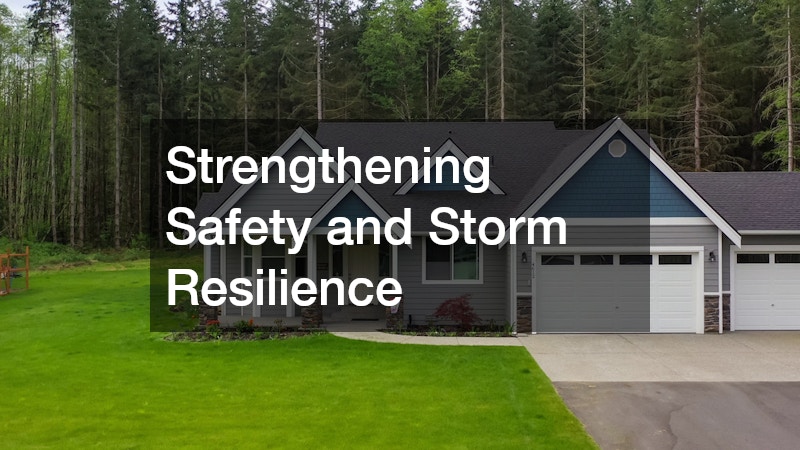
Communities thrive when homes are prepared to withstand severe weather and environmental challenges. Resilient upgrades protect not only individual properties but also neighboring structures and shared resources.
Installing hurricane garage doors improves wind resistance and structural stability. Garage failures during storms can compromise entire homes, leading to debris that damages nearby properties. Reinforced doors reduce this risk and contribute to overall neighborhood safety. Resilient upgrades also support faster recovery after extreme weather. Homes that remain intact reduce the strain on emergency services and allow communities to return to normalcy more quickly.
Visible preparedness encourages others to invest in similar measures, creating a network of reinforced properties that collectively enhance resilience. This shared readiness strengthens the neighborhood’s ability to withstand future events. Safety-focused upgrades are among the most impactful home improvements that add community value by protecting people, property, and shared spaces.
Protecting Structural Integrity and Public Health
Structural threats often originate out of sight, yet their consequences can affect entire neighborhoods. Proactive inspections and treatments safeguard both individual homes and surrounding properties. Addressing issues related to wood destroying insects helps prevent structural weakening that can lead to collapse, debris, or costly repairs. Infestations can spread between closely situated homes, making early intervention essential for community health.
Structural integrity supports safety, property values, and long-term stability. Homes that are sound and well-maintained reduce the likelihood of emergency responses that disrupt neighbors and strain local resources. By prioritizing inspections and treatment, homeowners contribute to a safer, more resilient neighborhood environment.
Creating Consistency Through Thoughtful Installations
Consistency is a defining feature of appealing neighborhoods. When installations follow shared standards and design principles, they enhance rather than fragment the community aesthetic. Visual harmony helps streets feel intentional rather than pieced together, which influences how both residents and visitors perceive the area as a whole.
Professional fence installation ensures that barriers are aligned, secure, and visually appropriate for the surrounding environment. Proper installation reduces long-term maintenance issues such as leaning panels, uneven spacing, or premature wear. It also prevents encroachments that can lead to disputes between neighbors, which often arise when boundaries are unclear or poorly executed. Clear, professionally installed structures support mutual respect and long-term harmony among property owners.
Consistency in design and placement reinforces a sense of order that extends beyond individual lots. When homeowners choose materials, heights, and finishes that complement nearby properties, the neighborhood benefits from a unified appearance rather than competing styles. This cohesion can be especially important in visible areas such as front yards, corner lots, and shared property lines.
Thoughtful installations also contribute to predictability and ease of navigation. Uniform setbacks and aligned structures make streets feel more open and accessible, supporting walkability and everyday use. These collective choices demonstrate how individual decisions contribute to broader home improvements that add community value by strengthening visual continuity, reducing conflict, and encouraging long-term neighborhood pride.
Supporting Rapid Response and Neighborhood Stability
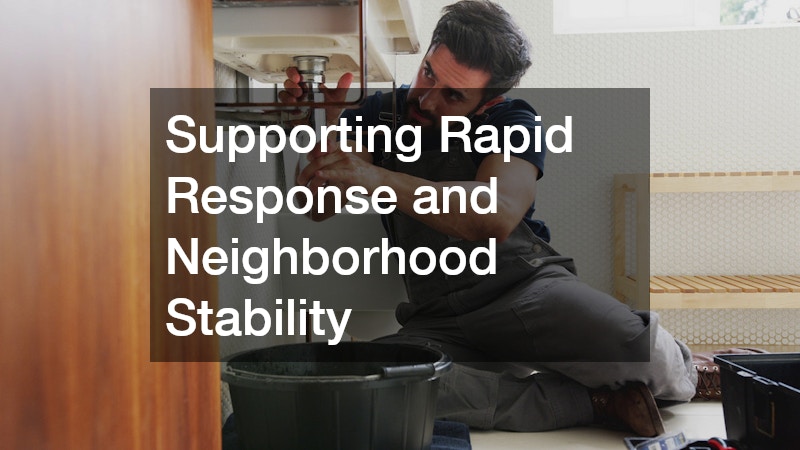
Emergencies affect more than one household. Quick response and preparedness help contain damage and reduce disruption for everyone nearby. Having access to a 24 hour emergency plumbing service allows homeowners to address urgent issues before they escalate into larger problems. Rapid intervention minimizes water damage, mold growth, and infrastructure strain that can impact adjacent properties.
Preparedness supports neighborhood stability by reducing prolonged disruptions and preserving shared systems. Homes that respond quickly to emergencies help maintain overall community function. This level of readiness underscores how proactive planning contributes to home improvements that add community value by protecting both private and shared spaces. Neighborhoods are shaped by the cumulative effect of individual choices. When homeowners invest thoughtfully, their upgrades extend beyond personal benefit to support shared aesthetics, safety, and functionality. From preventive maintenance to resilient design, each improvement contributes to a more stable and appealing environment.
The most effective projects are those that balance form and function while respecting the broader community. By prioritizing upgrades that reduce disruption, enhance reliability, and maintain visual cohesion, homeowners play an active role in shaping their neighborhoods. Ultimately, these home improvements that add community value foster pride, resilience, and connection—qualities that define neighborhoods people are proud to call home.