
Introduction: Why Proactive Home Maintenance Protects Long-Term Property Value
A home is one of the most significant financial investments most people will ever make. Protecting that investment requires more than occasional repairs or cosmetic updates. Long-term property value is built through consistent maintenance, strategic upgrades, and the ability to identify problems before they become major structural or financial burdens.
Many homeowners focus on visible improvements while overlooking the systems and structural components that have the greatest impact on long-term value. A freshly painted room may improve appearance, but unresolved plumbing issues, roofing deterioration, or hidden moisture damage can quickly reduce a property’s marketability and lead to expensive repairs. Buyers and property evaluators pay close attention to the overall condition of a home, including the reliability of major systems and evidence of preventative care.
One of the most effective ways to protect property value is by taking a proactive approach to maintenance. Small issues rarely remain small forever. Minor roof leaks can lead to water damage behind walls. Poor drainage can affect foundations and sewer systems. Aging heating and cooling equipment can increase utility costs while reducing comfort and efficiency. Addressing these concerns early prevents long-term deterioration and helps maintain a home’s overall performance.
Modern buyers also place greater importance on efficiency, safety, and functionality. Homes with updated systems, well-maintained interiors, and strong structural integrity are more attractive in competitive real estate markets. Strategic repairs and upgrades improve not only resale value but also everyday comfort and operational efficiency for current homeowners.
Another important factor is organization. Homes consist of interconnected systems that rely on proper coordination and routine care. Plumbing affects moisture levels, roofing protects structural integrity, heating and cooling systems influence energy efficiency, and landscaping impacts drainage. Maintaining these systems together creates a stronger, more reliable property overall.
This guide explores practical strategies homeowners can use to increase property value through inspections, preventative maintenance, and strategic repairs. By focusing on both visible improvements and underlying structural health, homeowners can create properties that remain safe, attractive, efficient, and valuable for years to come.
Understand What Buyers and Property Evaluators Notice First

When homeowners prepare to sell or refinance a property, professional evaluations play a major role in determining market value. Buyers, lenders, and inspectors all look for evidence that the home has been maintained consistently and responsibly over time.
Home appraisers evaluate many aspects of a property, including structural condition, system performance, curb appeal, upgrades, and overall market competitiveness. Even smaller maintenance concerns can influence how a property is perceived during the valuation process.
A home inspection service focuses on identifying defects, safety concerns, and hidden maintenance issues that may not be immediately visible. Buyers often use inspection reports to negotiate repairs or reconsider purchases entirely if major problems are discovered.
Common issues that negatively impact evaluations include:
- Water damage or visible moisture stains
- Roofing deterioration
- HVAC inefficiencies or outdated systems
- Plumbing leaks or drainage concerns
- Structural cracks or foundation movement
Preparing a home before evaluations is essential. Even minor improvements can significantly improve first impressions and reduce concerns during inspections.
Important preparation strategies include:
- Repairing visible cosmetic damage
- Cleaning and organizing utility spaces
- Replacing burned-out lighting fixtures
- Addressing minor plumbing or drainage concerns
- Ensuring all major systems operate properly
Documentation also matters. Homeowners who maintain records of repairs, inspections, and upgrades demonstrate consistent care and provide buyers with greater confidence in the property.
Additional ways to improve evaluation outcomes include:
- Scheduling preventative inspections before listing
- Addressing deferred maintenance promptly
- Improving exterior appearance and landscaping
- Updating outdated fixtures and finishes where necessary
Homes that appear well-maintained typically receive stronger evaluations and attract more buyer interest.
Prevent Small Plumbing Problems from Becoming Major Structural Repairs
Plumbing and drainage systems are essential for maintaining sanitation, structural stability, and everyday convenience. Unfortunately, many homeowners ignore small drainage issues until serious problems develop. Slow drains, recurring clogs, and unusual odors may seem minor initially, but they often indicate deeper system concerns.
Routine drain cleaning helps remove buildup before pipes become severely restricted. Grease, soap residue, food particles, mineral deposits, and hair are among the most common causes of drainage problems.
Warning signs that should never be ignored include:
- Slow-draining sinks or tubs
- Frequent clogs in multiple fixtures
- Gurgling sounds from drains
- Sewage odors indoors or outside
- Water backing up into lower-level drains
When problems extend beyond interior drains, a sewer line repair service may become necessary. Sewer lines can deteriorate due to age, shifting soil, tree root intrusion, corrosion, or improper installation.
Underground plumbing problems often create significant structural risks if left untreated. Water infiltration beneath foundations can weaken structural supports, contribute to mold growth, and damage flooring or drywall.
Preventative maintenance strategies include:
- Avoid pouring grease or food waste down drains
- Using drain strainers to catch debris
- Scheduling periodic professional drain cleaning
- Monitoring landscaping near underground utility lines
Additional ways to protect plumbing systems include:
- Avoiding harsh chemical drain cleaners
- Inspecting sewer systems in older homes regularly
- Addressing leaks immediately
- Monitoring water pressure for unusual changes
Proactive plumbing maintenance prevents larger structural issues while protecting long-term property value.
Improve Indoor Comfort and Energy Efficiency Through System Maintenance
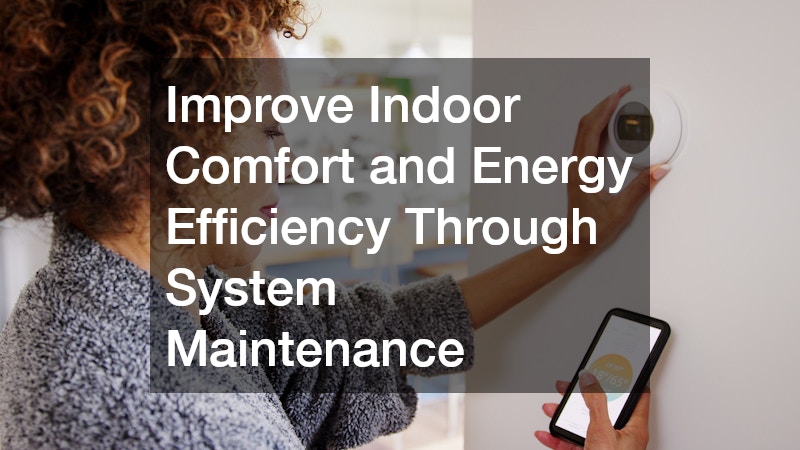
Heating and cooling systems play a major role in both home comfort and operational efficiency. Buyers increasingly prioritize homes with reliable climate systems because these systems directly affect energy costs and everyday usability.
Regular air conditioning repair helps maintain efficient cooling performance during warmer months. Even small issues, such as dirty coils or airflow restrictions, can reduce efficiency significantly over time.
Common signs of cooling problems include:
- Weak airflow from vents
- Uneven temperatures between rooms
- Excess indoor humidity
- Unusual noises during operation
- Rising utility costs without increased usage
Heating systems require similar attention. Proper heating installation ensures that systems are appropriately sized and configured for the home’s layout and energy demands.
An outdated or improperly installed heating system can create:
- Uneven heating distribution
- Frequent equipment cycling
- Increased utility costs
- Reduced indoor comfort
Routine HVAC maintenance should include:
- Replacing filters regularly
- Cleaning vents and ductwork
- Inspecting thermostats for accuracy
- Scheduling seasonal professional inspections
Energy-efficient upgrades also improve property value because buyers recognize the long-term cost savings associated with modern systems.
Additional strategies for improving efficiency include:
- Sealing air leaks around windows and doors
- Improving attic insulation
- Installing programmable thermostats
- Maintaining consistent airflow throughout the home
Reliable heating and cooling systems improve both comfort and long-term marketability.
Protect Structural Integrity from Exterior Damage and Weather Exposure
The roof is one of the most important protective systems in any home. It shields structural components from rain, snow, sunlight, and temperature extremes while helping regulate indoor comfort and moisture levels.
Roofing contractors play a critical role in identifying and correcting problems before they lead to severe structural damage. Many roofing issues develop gradually, making routine inspections essential.
Common warning signs of roof deterioration include:
- Missing or damaged shingles
- Water stains on ceilings or attic surfaces
- Sagging rooflines
- Mold or algae growth
- Excessive granule buildup in gutters
Preventative roof maintenance significantly extends lifespan and reduces repair costs.
Important maintenance practices include:
- Scheduling annual roof inspections
- Cleaning gutters and roof valleys regularly
- Trimming overhanging tree branches
- Addressing leaks immediately
Ventilation is another important factor affecting roof performance. Poor attic ventilation traps heat and moisture, accelerating material deterioration and increasing energy costs.
Additional strategies for protecting roofing systems include:
- Monitoring flashing around chimneys and vents
- Inspecting roof surfaces after major storms
- Repairing damaged shingles promptly
- Maintaining proper attic insulation
Protecting roofing systems helps preserve structural stability and improve long-term property value.
Improve Interior Appearance and Increase Buyer Appeal

Interior appearance has a major influence on buyer perception and overall property appeal. Well-maintained interiors create a stronger impression while signaling that the home has been cared for consistently.
Working with a painting company allows homeowners to refresh aging interiors while protecting walls, trim, and ceilings from wear. Fresh paint improves brightness, modernizes spaces, and creates a cleaner overall appearance.
Neutral color palettes are often the most effective for increasing resale appeal because they allow buyers to envision their own design preferences within the space.
Benefits of interior painting include:
- Improved visual appeal
- Protection against moisture and surface wear
- Brighter and more inviting interiors
- Easier maintenance and cleaning
Surface preparation is critical for long-lasting results.
Proper preparation includes:
- Repairing drywall imperfections
- Cleaning surfaces thoroughly
- Applying primer where needed
- Addressing moisture issues before painting
Flooring also plays a major role in property value. Hardwood floor refinishing restores worn surfaces while preserving the durability and character of existing wood floors.
Signs that refinishing may be needed include:
- Scratches and surface wear
- Dull or faded finishes
- Minor staining or discoloration
- Areas of uneven finish
Maintenance strategies for preserving hardwood floors include:
- Using protective pads beneath furniture
- Cleaning spills immediately
- Avoiding excessive moisture exposure
- Recoating finishes periodically
Updated interiors improve both daily comfort and buyer confidence during resale.
Prevent Pest Damage Before It Impacts Property Condition
Pests can create significant structural and sanitation issues if left untreated. Insects and rodents often damage insulation, wood framing, wiring, and stored materials while also introducing health concerns into the home.
Professional pest control companies help homeowners identify risks early and implement preventative treatments before infestations become severe.
Common household pests include:
- Termites
- Rodents
- Ants
- Wasps
- Cockroaches
Some pests, particularly termites, can compromise structural integrity over time without obvious warning signs.
Warning indicators of infestations include:
- Droppings or nesting materials
- Wood damage or hollow-sounding surfaces
- Unusual odors
- Visible insect activity near foundations or attics
Preventative pest management strategies include:
- Sealing gaps and entry points around the home
- Eliminating standing water near foundations
- Storing food securely
- Keeping landscaping trimmed away from structures
Routine inspections are especially important in areas prone to moisture problems or heavy vegetation.
Additional preventative measures include:
- Inspecting crawl spaces and attics regularly
- Maintaining proper drainage around foundations
- Repairing damaged screens or vents
- Scheduling seasonal treatments when needed
Effective pest prevention protects both structural systems and overall property value.
Create a Seasonal Home Maintenance Plan That Supports Long-Term Value
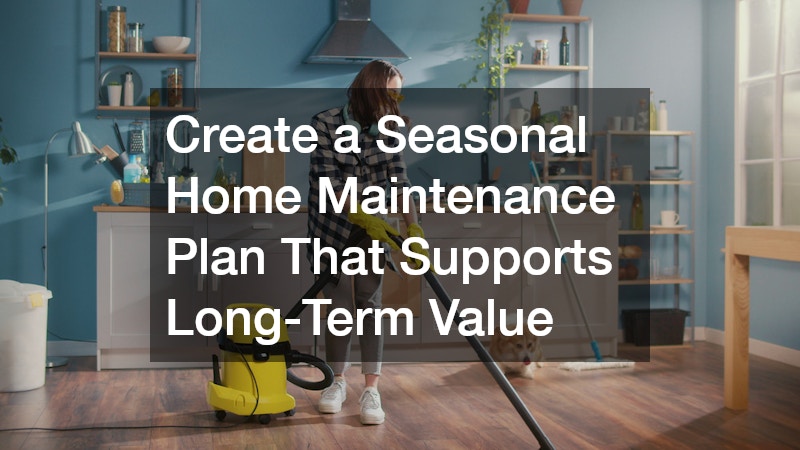
A structured maintenance schedule helps homeowners stay proactive instead of reacting to emergencies. Organizing maintenance tasks by season ensures that systems receive attention before periods of heavy use or severe weather.
Spring maintenance priorities often include:
- Inspecting roofing and drainage systems
- Servicing cooling equipment
- Checking exterior caulking and siding
- Cleaning gutters and downspouts
Summer tasks may involve:
- Monitoring cooling efficiency
- Inspecting irrigation systems for leaks
- Managing landscaping growth near structures
- Cleaning exterior surfaces and windows
Fall preparation should focus on:
- Heating system inspections
- Sealing drafts around doors and windows
- Clearing leaves from drainage systems
- Preparing plumbing for freezing temperatures
Winter maintenance tasks often include:
- Preventing frozen pipes
- Monitoring indoor humidity levels
- Testing sump pumps and drainage systems
- Checking heating performance regularly
Tracking service history and inspection records also improves long-term planning and helps homeowners identify recurring issues more efficiently.
Budget Strategically for Repairs, Upgrades, and Preventative Maintenance
Financial planning is essential for maintaining long-term property value. Without a dedicated maintenance budget, homeowners may delay important repairs that eventually become much more expensive.
Important budgeting strategies include:
- Setting aside monthly maintenance savings
- Prioritizing structural and safety-related repairs first
- Comparing repair costs versus replacement investments
- Planning larger projects in manageable phases
Emergency repair funds are especially important for major systems such as roofing, plumbing, and HVAC equipment.
Tracking expenses over time also helps homeowners understand long-term operating costs and identify areas where upgrades may improve efficiency.
Additional financial planning strategies include:
- Reviewing contractor estimates carefully
- Scheduling preventative maintenance before peak demand seasons
- Researching product warranties thoroughly
- Investing in durable materials rather than temporary fixes
Proactive budgeting reduces financial stress while supporting better long-term maintenance decisions.
Conclusion: Creating a More Valuable, Reliable, and Efficient Home
Maintaining and increasing home value requires more than occasional cosmetic improvements. The most valuable homes are those that receive consistent care, strategic upgrades, and proactive maintenance across every major system. Structural integrity, energy efficiency, plumbing reliability, and interior condition all contribute to long-term property performance and marketability.
One of the most important lessons homeowners can apply is the value of prevention. Small problems rarely disappear on their own. Minor drainage concerns, hidden leaks, roofing wear, or inefficient climate systems often lead to larger and more expensive repairs when ignored. Addressing these issues early protects both the structure and the financial investment tied to the property.
Strategic upgrades also play an important role in improving comfort and increasing resale appeal. Modern heating and cooling systems, updated interiors, durable flooring, and well-maintained exteriors all create stronger buyer confidence while improving everyday living conditions for current homeowners.
Organization and planning further support long-term success. Seasonal maintenance schedules, accurate service records, and realistic budgeting allow homeowners to manage repairs more effectively while avoiding unnecessary emergencies and financial strain.
Ultimately, a well-maintained home offers more than higher market value. It creates a safer, more comfortable, and more efficient environment that supports long-term stability and peace of mind. By combining preventative maintenance with thoughtful improvements, homeowners can protect their investment while ensuring their property remains attractive, functional, and reliable for many years to come.