

Introduction: Creating a Smarter Approach to Whole-Home Maintenance
A home is one of the most important long-term investments most people will ever make, and like any major asset, it requires consistent care to maintain its performance, comfort, and value. Every system in a home—whether it controls temperature, protects the structure, manages water flow, or supports daily functionality—gradually experiences wear over time. When these systems are ignored, small inefficiencies often turn into larger, more expensive problems.
Many homeowners tend to focus on visible improvements like interior design or cosmetic updates, while overlooking the foundational systems that keep a home functioning properly. This imbalance can lead to unexpected breakdowns, higher utility bills, and reduced structural integrity. A smarter approach involves understanding how each system contributes to the overall health of the home and maintaining them in a coordinated way.
Another key factor is timing. Home systems rarely fail all at once; instead, they show early warning signs that are often easy to miss without regular inspection. Recognizing these signals early allows homeowners to take action before damage spreads. This not only saves money but also reduces stress and disruption.
Modern homeownership also benefits from a more strategic mindset. Instead of reacting to problems as they arise, homeowners can plan maintenance schedules, budget for upgrades, and prioritize improvements based on urgency and long-term value. This approach ensures that the home remains efficient, safe, and comfortable year-round.
It is also important to consider how external conditions affect home systems. Seasonal temperature changes, humidity levels, and environmental wear all influence how quickly components degrade. Homes in harsher climates often require more frequent inspections and preventative care, while even moderate climates still demand consistent upkeep to avoid gradual deterioration.
This guide explores essential systems, maintenance strategies, and upgrade opportunities in a structured way. By understanding how each part of your home works—and how they all connect—you can make more informed decisions that protect your investment and improve your quality of life.
Build a Year-Round Home Maintenance Strategy That Prevents Major Repairs
A structured maintenance plan is one of the most effective ways to prevent unexpected home repairs. Without it, homeowners often overlook small issues that gradually worsen over time. A year-round strategy helps distribute tasks across seasons so that no single system is neglected.
Start by dividing your home into key categories such as heating, cooling, plumbing, roofing, and exterior structures. Each category should have its own inspection schedule and maintenance checklist.
Key steps to build an effective plan:
- Create seasonal checklists for spring, summer, fall, and winter
- Inspect systems before peak usage seasons
- Document repairs and maintenance history
- Set reminders for recurring tasks
It’s also important to prioritize based on risk. Systems that affect safety, such as heating and electrical components, should always be addressed first. A proactive plan reduces emergency repair situations and extends the lifespan of your home systems.
Budgeting should also be included in your strategy. Setting aside funds monthly for maintenance ensures that repairs can be handled promptly without financial strain. Over time, this approach creates stability and predictability in homeownership.
Keep Your Heating System Running Efficiently in All Seasons
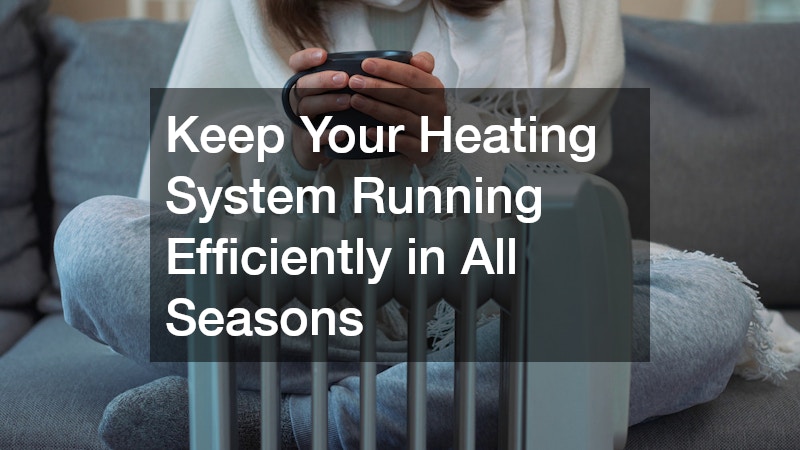
Heating systems are essential for maintaining comfort during colder months, but they are often overlooked until problems arise. Regular maintenance helps ensure efficiency, safety, and consistent performance.
One of the most common issues homeowners face is reduced heating output. This can be caused by clogged filters, worn components, or system inefficiencies that develop over time. Addressing these issues early can prevent more serious breakdowns.
Common signs your heating system needs attention:
- Uneven heating throughout the home
- Strange noises during operation
- Higher-than-normal energy bills
- Frequent cycling on and off
Preventative maintenance steps include:
- Replacing filters regularly
- Inspecting ductwork for leaks
- Scheduling seasonal tune-ups
- Checking thermostat calibration
When issues become more serious, professional gas heating repair services can diagnose and resolve problems safely. Ignoring early warning signs often leads to more extensive heating repairs, which are more costly and disruptive.
Consistency is key. A well-maintained heating system not only improves comfort but also reduces energy consumption and extends equipment lifespan. Regular attention also helps identify inefficiencies that may not be obvious during daily use, such as uneven airflow between rooms or gradual performance loss in older components.
Ensure Reliable Cooling Performance During Peak Temperatures
Cooling systems play a critical role in maintaining indoor comfort during warmer months. However, efficiency depends heavily on proper installation and ongoing maintenance. A poorly installed system can lead to uneven cooling, higher energy bills, and frequent breakdowns.
When considering a new system, proper sizing is one of the most important factors. An oversized or undersized unit will struggle to maintain consistent temperatures, leading to inefficiency and increased wear.
Key considerations for installation:
- Matching system size to home square footage
- Evaluating insulation levels
- Ensuring proper ductwork design
- Selecting energy-efficient models
Professional ac installation ensures that all components are correctly configured for optimal performance. Technicians can also verify refrigerant levels, airflow balance, and electrical connections.
After installation, maintenance becomes essential:
- Clean or replace filters regularly
- Keep outdoor units free of debris
- Inspect coils for dirt buildup
- Monitor system performance during peak seasons
Proper installation combined with routine care ensures long-term efficiency and comfort.

Protect Your Home’s Structure with Durable Exterior Systems
The roof is one of the most important protective elements of any home. It shields the structure from weather, moisture, and temperature fluctuations. Over time, exposure to the elements can lead to deterioration.
Common roofing issues include:
- Missing or damaged shingles
- Leaks and water stains
- Sagging roof sections
- Moss or algae growth
Working with a professional roofing company ensures that issues are properly diagnosed and repaired. In some cases, a full replacement may be necessary to maintain structural integrity.
Metal roofing has become increasingly popular due to its durability and long lifespan. A skilled metal roofer can install systems that offer:
- Enhanced weather resistance
- Longer lifespan compared to traditional materials
- Improved energy efficiency
- Lower long-term maintenance costs
Routine inspections and gutter maintenance help extend roof life and prevent costly damage.
Upgrade Your Home’s Exterior for Protection and Efficiency
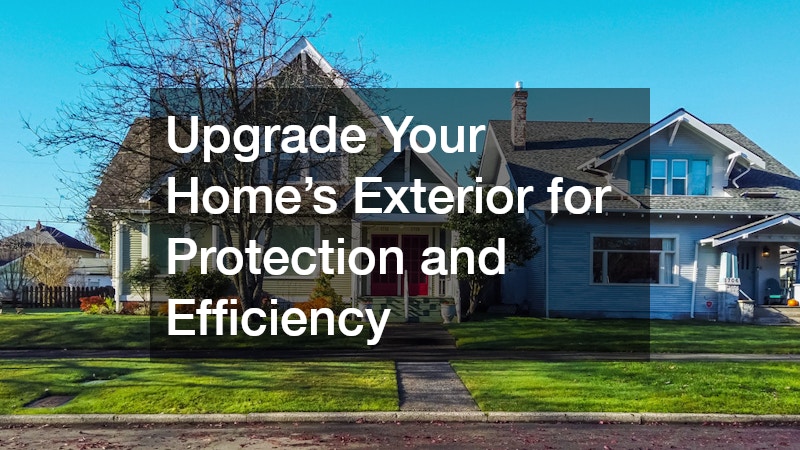
Siding plays a major role in protecting a home’s exterior while also contributing to energy efficiency and appearance. Damaged or outdated siding can lead to moisture intrusion and higher energy costs.
Vinyl siding installation offers a durable and low-maintenance solution that improves both protection and aesthetics. Modern materials are designed to withstand weather conditions while maintaining their appearance over time.
Benefits include:
- Improved insulation and energy efficiency
- Resistance to moisture and pests
- Low maintenance requirements
- Wide range of design options
Proper installation is essential to ensure long-term performance. Poorly installed siding can lead to gaps, warping, and reduced efficiency.
Regular cleaning and inspections help maintain appearance and durability.
Expand Functionality and Storage with Smart Structural Additions
A garage is more than just a storage space—it can serve as a workshop, organizational hub, or even an extension of living space. Custom garages allow homeowners to design layouts that meet specific needs.
Planning considerations include:
- Intended use (storage, workspace, multi-use)
- Size and layout requirements
- Lighting and ventilation needs
- Material durability
Custom garages can also increase property value by improving functionality and appeal. Features such as built-in storage, reinforced flooring, and insulated walls enhance usability.
Proper planning ensures that the structure meets both current and future needs.
Coordinate Multiple Home Improvement Projects Efficiently
Managing multiple home projects requires organization and planning. Without coordination, overlapping schedules and miscommunication can lead to delays and increased costs.
Effective strategies include:
- Creating a master project timeline
- Grouping related tasks together
- Communicating clearly with contractors
- Tracking progress consistently
Keeping detailed records ensures that nothing is overlooked and helps streamline future maintenance planning.
Budgeting for Long-Term Maintenance and Home Upgrades
Financial planning is essential for maintaining and improving a home. Without a structured budget, costs can quickly become overwhelming.
Smart budgeting strategies:
- Set aside funds for emergencies
- Prioritize essential repairs
- Compare contractor estimates
- Plan large projects in phases
Tracking expenses over time provides better insight into long-term costs and helps improve future planning.
Increase Property Value Through Strategic Improvements
Home value is heavily influenced by maintenance quality and system efficiency. Strategic upgrades not only improve daily comfort but also increase resale appeal.
High-impact improvements include:
- Energy-efficient system upgrades
- Structural repairs and reinforcements
- Exterior enhancements
- Modernized functional spaces
Maintaining detailed records of improvements builds buyer confidence and supports higher valuation.
Conclusion: Creating a Reliable, Efficient, and Long-Lasting Home
A well-maintained home is the result of consistent effort, thoughtful planning, and a proactive approach to care. By addressing issues early and investing in strategic upgrades, homeowners can create a living environment that is both efficient and comfortable.
Understanding how different systems work together allows for better decision-making and more effective long-term planning. Each improvement—whether structural, mechanical, or aesthetic—contributes to the overall performance of the home.
Over time, small maintenance habits make a significant difference. Regular inspections, timely repairs, and seasonal preparation help prevent costly breakdowns and extend the lifespan of essential systems. These habits also reduce stress by minimizing unexpected emergencies.
Homeownership should be viewed as an evolving process rather than a fixed state. As technology advances and household needs change, opportunities for improvement will continue to emerge. Staying informed and adaptable ensures that your home remains functional, efficient, and aligned with your lifestyle.
Professional support also plays an important role in long-term success. While many maintenance tasks can be handled independently, complex systems benefit from expert evaluation and service. Knowing when to rely on professionals helps maintain safety and ensures high-quality results.
Finally, investing in your home is ultimately an investment in your quality of life. A well-maintained, efficient, and thoughtfully upgraded home provides comfort, stability, and long-term value. With the right approach, your home can continue to serve you reliably for many years to come while adapting smoothly to future needs and expectations.